It is too cold to shoot outdoors now. I will shoot everything indoors now. I kept sneezing outdoors.

Thick Stepmom !exclusive! — Pervmom Emily Addison My Extra

A community-inspired growers guide for beginners

by Jorge Cervantes

Thick Stepmom !exclusive! — Pervmom Emily Addison My Extra

Here is an analysis of how contemporary cinema explores these evolving household dynamics [1, 2]. 🎬 The Evolution of the "Step" Trope

To appreciate the depth of modern cinema’s approach to blended families, one must look at where it began. For decades, cinema relied on binary extremes. Classic Disney animation codified the "evil stepmother" archetype in films like Cinderella and Snow White , framing the blended family as an inherently hostile environment rooted in jealousy and displacement.

Historically, cinema—following literature—frequently characterized non-biological parental figures through a negative lens. The Wicked Stepmother : Classic films like Cinderella Snow White

Movies like Father of the Bride Part 3 (ish) and The Other Woman explore the stepparent’s isolation—expected to care but not discipline, to bond without overstepping. Cinema now critiques the “wicked stepparent” trope, favoring nuanced failure and repair.

Step-parents are now shown as well-intentioned individuals navigating thin ice [1]. pervmom emily addison my extra thick stepmom

In Alfonso Cuarón’s Roma (2018), the blending of a family dynamic is viewed through the lens of social class and indigenous identity. The domestic worker, Cleo, becomes an emotional anchor and a de facto parental figure for a family undergoing a painful divorce. The film illustrates how modern blended dynamics often extend beyond legal remarriage to include alternative caretakers who hold the emotional fabric of a broken home together.

According to her Wikipedia page, Emily Addison's measurements are listed as 32DD-25-33, with natural DD-cup breasts, blue eyes, and brown hair. Since entering the industry, she has appeared in hundreds of scenes across numerous studios, establishing herself as a prolific and beloved figure in the world of adult entertainment.

This guide is drafted with a focus on general advice for navigating complex family relationships and may need adjustments based on specific contexts or needs. If your intent was to focus on a specific individual or content, please provide more context or clarify how I can assist you further.

Conversely, films like The Sound of Music or The Brady Bunch often presented idealized figures who seamlessly integrated into a new household with minimal friction, solving deeply rooted family traumas through sheer optimism. Here is an analysis of how contemporary cinema

Comedy remains the safest vehicle for exploring blended families, but modern comedies have abandoned the slapstick chaos of Yours, Mine and Ours (2005) for something sharper: the anxiety of scheduling, the horror of the "family meeting," and the exhaustion of forced bonding.

Media portrayals significantly influence how individuals view their own stepfamily life.

Lisa Cholodenko’s film was a watershed moment. It presented a blended family led by two lesbian mothers (Nic and Jules) and their two biological children (via a sperm donor). When the donor, Paul, enters the picture, the film doesn’t paint him as a threat to the "real" family. Instead, it explores the confusion of an outsider (Paul) who wants intimacy but doesn't understand the established rituals. The film’s brilliance lies in showing that blending isn't just about marriage; it’s about identity. The children don't want a father; they already have two parents. The tension isn't evil vs. good; it's loyalty vs. curiosity.

Cinema often explores the competitive tension between the fun biological parent and the structured stepparent [4]. Share public link

Ultimately, the most significant shift in modern cinema's portrayal of blended families is the definition of love. Historically, bloodline was paramount. Today, film champions the concept of and kinship built through shared trauma, patience, and deliberate effort.

While adult characters dominate the logistics of blending a family, modern cinema increasingly centers on the children, capturing their profound sense of powerlessness. When parents remarry, children are rarely granted a vote, yet their daily lives, routines, and identities are radically upended.

Are you writing this for an or a pop-culture blog ? AI responses may include mistakes. Learn more Share public link

If you would like to expand this article, let me know if we should focus on , analyze a particular film in deeper detail, or explore box office trends for these types of dramas. Share public link


WE GROW CANNABIS! - the free Cannabis Plant Cultivation eBook for Beginners by Jorge Cervantes

It is too cold to shoot outdoors now. I will shoot everything indoors now. I kept sneezing outdoors.

Embark on your cannabis cultivation journey with “We Grow Cannabis,” a groundbreaking free eBook by Jorge Cervantes, the celebrated author and cannabis cultivation expert.

Inspired by the community and designed for beginners, this guide captures Jorge’s 40 years of pioneering expertise in a concise 100-page manual, featuring more than 270 vibrant color images.

It’s your comprehensive roadmap to mastering cannabis growth.

Here is an analysis of how contemporary cinema explores these evolving household dynamics [1, 2]. 🎬 The Evolution of the "Step" Trope

To appreciate the depth of modern cinema’s approach to blended families, one must look at where it began. For decades, cinema relied on binary extremes. Classic Disney animation codified the "evil stepmother" archetype in films like Cinderella and Snow White , framing the blended family as an inherently hostile environment rooted in jealousy and displacement.

Historically, cinema—following literature—frequently characterized non-biological parental figures through a negative lens. The Wicked Stepmother : Classic films like Cinderella Snow White

Movies like Father of the Bride Part 3 (ish) and The Other Woman explore the stepparent’s isolation—expected to care but not discipline, to bond without overstepping. Cinema now critiques the “wicked stepparent” trope, favoring nuanced failure and repair.

Step-parents are now shown as well-intentioned individuals navigating thin ice [1].

In Alfonso Cuarón’s Roma (2018), the blending of a family dynamic is viewed through the lens of social class and indigenous identity. The domestic worker, Cleo, becomes an emotional anchor and a de facto parental figure for a family undergoing a painful divorce. The film illustrates how modern blended dynamics often extend beyond legal remarriage to include alternative caretakers who hold the emotional fabric of a broken home together.

According to her Wikipedia page, Emily Addison's measurements are listed as 32DD-25-33, with natural DD-cup breasts, blue eyes, and brown hair. Since entering the industry, she has appeared in hundreds of scenes across numerous studios, establishing herself as a prolific and beloved figure in the world of adult entertainment.

This guide is drafted with a focus on general advice for navigating complex family relationships and may need adjustments based on specific contexts or needs. If your intent was to focus on a specific individual or content, please provide more context or clarify how I can assist you further.

Conversely, films like The Sound of Music or The Brady Bunch often presented idealized figures who seamlessly integrated into a new household with minimal friction, solving deeply rooted family traumas through sheer optimism.

Comedy remains the safest vehicle for exploring blended families, but modern comedies have abandoned the slapstick chaos of Yours, Mine and Ours (2005) for something sharper: the anxiety of scheduling, the horror of the "family meeting," and the exhaustion of forced bonding.

Media portrayals significantly influence how individuals view their own stepfamily life.

Lisa Cholodenko’s film was a watershed moment. It presented a blended family led by two lesbian mothers (Nic and Jules) and their two biological children (via a sperm donor). When the donor, Paul, enters the picture, the film doesn’t paint him as a threat to the "real" family. Instead, it explores the confusion of an outsider (Paul) who wants intimacy but doesn't understand the established rituals. The film’s brilliance lies in showing that blending isn't just about marriage; it’s about identity. The children don't want a father; they already have two parents. The tension isn't evil vs. good; it's loyalty vs. curiosity.

Cinema often explores the competitive tension between the fun biological parent and the structured stepparent [4].

Ultimately, the most significant shift in modern cinema's portrayal of blended families is the definition of love. Historically, bloodline was paramount. Today, film champions the concept of and kinship built through shared trauma, patience, and deliberate effort.

While adult characters dominate the logistics of blending a family, modern cinema increasingly centers on the children, capturing their profound sense of powerlessness. When parents remarry, children are rarely granted a vote, yet their daily lives, routines, and identities are radically upended.

Are you writing this for an or a pop-culture blog ? AI responses may include mistakes. Learn more Share public link

If you would like to expand this article, let me know if we should focus on , analyze a particular film in deeper detail, or explore box office trends for these types of dramas. Share public link
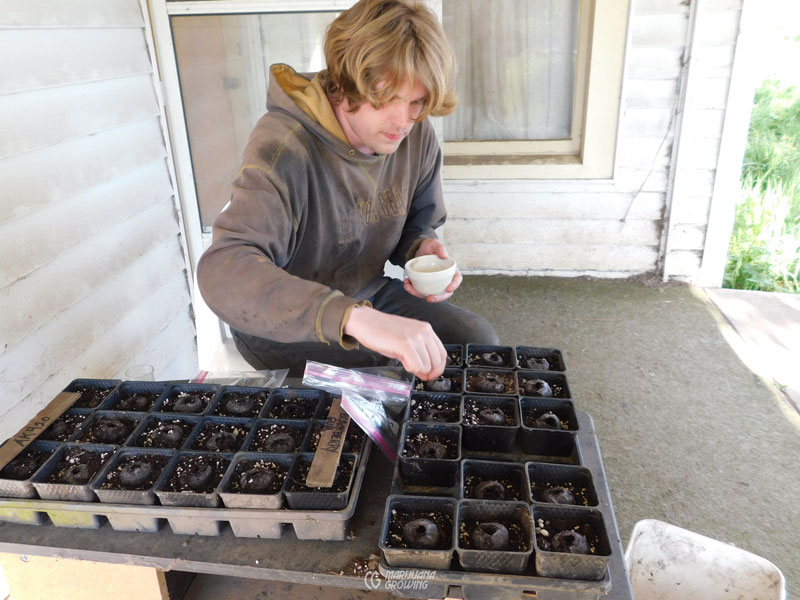
We Grow Cannabis!

Do you want to download a pdf version?

JOIN OUR EXCLUSIVE ONLINE

NEWSLETTER

FOR THE LATEST NEWS & SPECIAL OFFERS