Plus Library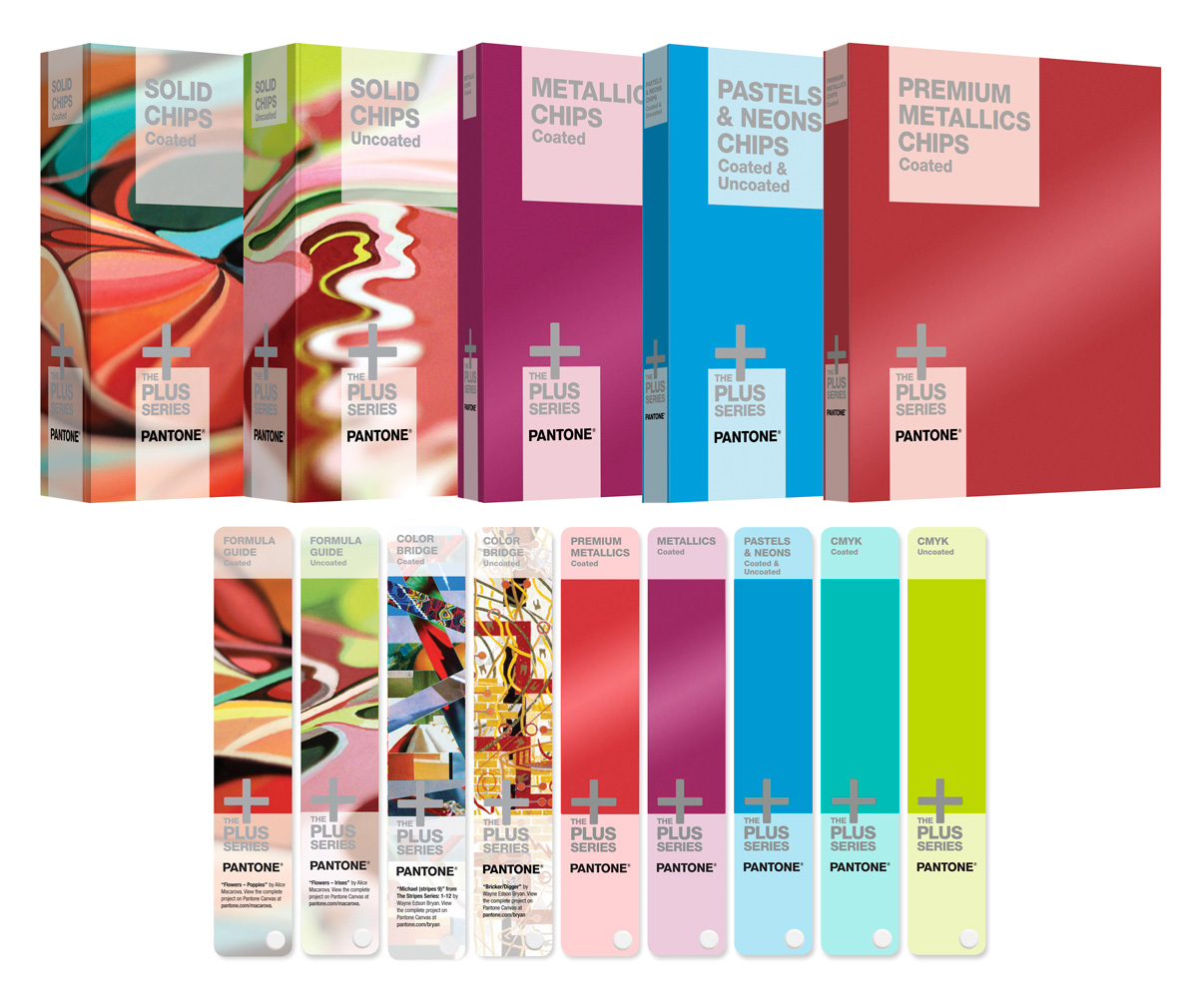
FHI Books
Plus Pages
Color Bridge
Plastics
TCX
PLUS Books
Nylon Brights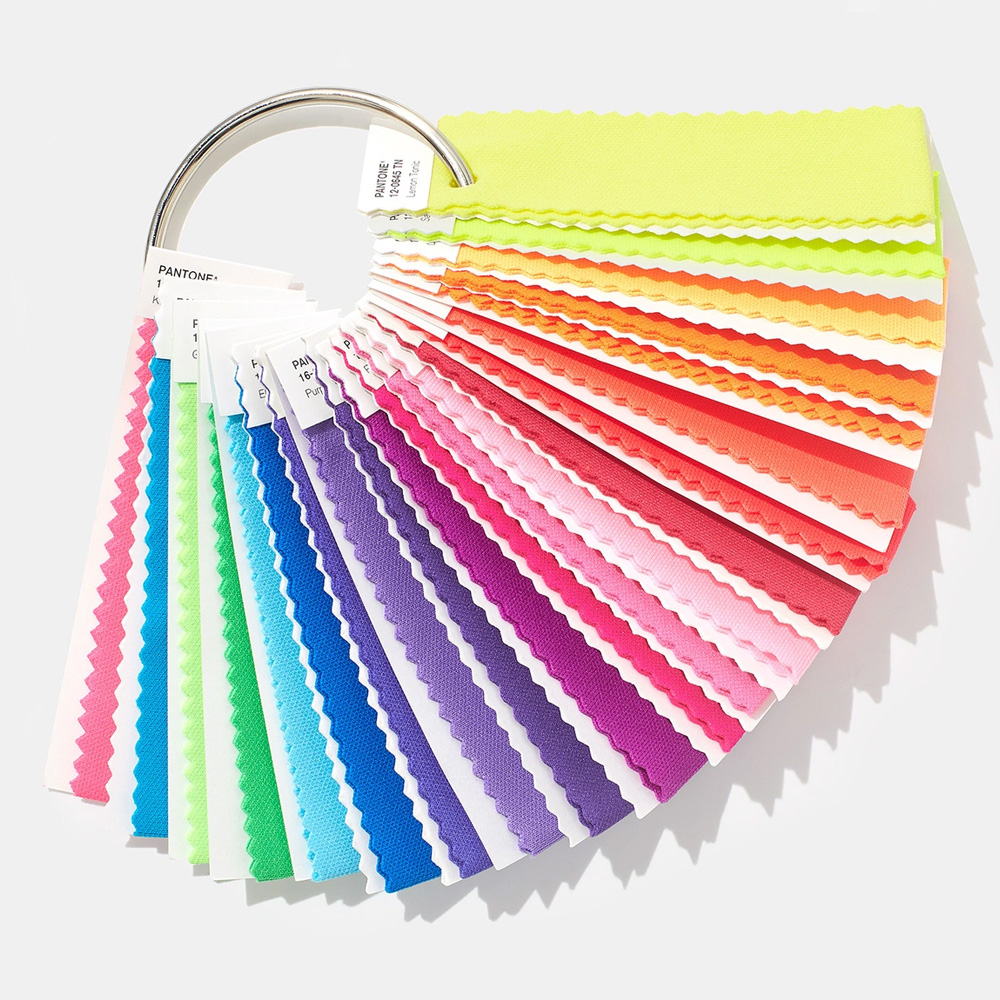
Swatch Library
Metallics
The transgender community is currently leading the most significant cultural conversation of the 21st century: the decoupling of biology from destiny. As Gen Z and Gen Alpha embrace gender fluidity at record rates, the "transgender experience" is becoming less of a niche subculture and more of a blueprint for how everyone—queer or straight—can live more authentically.
The transgender community is a vital component of the LGBTQ+ spectrum , representing individuals whose gender identity differs from the sex assigned at birth. While LGBTQ culture is built on shared experiences of non-heteronormativity , the transgender experience introduces unique layers of gender-based identity that often intersect with broader queer movements.
Despite growing visibility, the community faces significant systemic barriers:
While gender identity is internal, gender expression refers to how people outwardly express their gender (e.g., clothing, hair, voice).
: Indigenous cultures, such as the Navajo nádleehi and Zuni lhamana , have recognized fluid gender roles since pre-colonial times.
Any specific or formatting guidelines you need to follow I can refine the article to match your exact goals.
Today, the trans community is at the center of political battles in many countries—from the US to the UK to Hungary. Anti-trans legislation targeting youth healthcare, school sports, and drag performances has surged. In response, LGBTQ+ culture has increasingly adopted slogans like and "Protect trans youth."
To help me tailor future insights or deep dives into this topic,
For a gallery focused on young transgender women (often referred to by the search term "shemale" in specific communities), a compelling editorial or site feature should balance aesthetic appeal personal storytelling to create a deeper connection with the audience.
: Include interactive "hotspots" on images that identify accessories (necklaces, earrings, handbags) and clothing brands to make the gallery shoppable or inspirational [4]. Community Perspectives
. From leading the charge at the Stonewall Uprising to pioneering the "ballroom" scene—which gave us everything from "vogueing" to modern drag—trans people of color, in particular, have shaped the language and aesthetics of queer culture worldwide. The word "transgender" itself serves as an umbrella term . It encompasses: Binary trans men and women. Non-binary, genderqueer, and genderfluid individuals.
Despite progress, the transgender community and LGBTQ culture continue to face significant challenges. Transgender individuals are disproportionately affected by violence, homelessness, and unemployment, with a 2020 report by the Human Rights Campaign noting that 66% of transgender and non-binary students experienced bullying in school. The community has also faced a backlash against their rights, with attempts to roll back protections and restrict access to healthcare, education, and other essential services.
The intersection of racism and transphobia creates disproportionate dangers. Black and Latine transgender women face alarming rates of fatal violence, housing insecurity, and employment discrimination compared to other segments of the LGBTQ+ community.
The current political landscape features a high volume of targeted legislation. These bills often aim to restrict access to gender-affirming healthcare for youth and adults, ban trans individuals from sports, and restrict the discussion of gender identity in schools. Advocacy groups work continuously to challenge these laws in court. Systemic Inequality
Conversely, many regions are experiencing a wave of restrictive policies. These include bans on gender-affirming care, restrictions on sports participation, and limitations on discussing gender identity in educational institutions.
By understanding the evolution and resilience of the transgender community and LGBTQ culture, we can work towards a more inclusive and accepting future for all individuals, regardless of their identity or expression.