Y151+olga+customs+16+sets+updated !!top!! - |


|
|
Y151+olga+customs+16+sets+updated !!top!! -Y151+olga+customs+16+sets+updated !!top!! -How to create a new label design for Automation using Avery Design Pro 5.0 Follow the steps below to create a new label to be used with Automation Suite using Avery Design Pro 5.0. Before you begin, make a new folder anywhere on your hard drive and name it anything you like. (e.g Template) (I put my new folder on the desktop) Using your windows explorer, go to C:\Router-CIM\Automation\Bin and copy the file called Label.dbf into the folder that you just created. While your there, make a copy of the original RouterCIM.zpd file that is in that folder also. Open Avery Design Pro.
At the Start Screen for Avery Design Pro, click ‘Design from Scratch’.
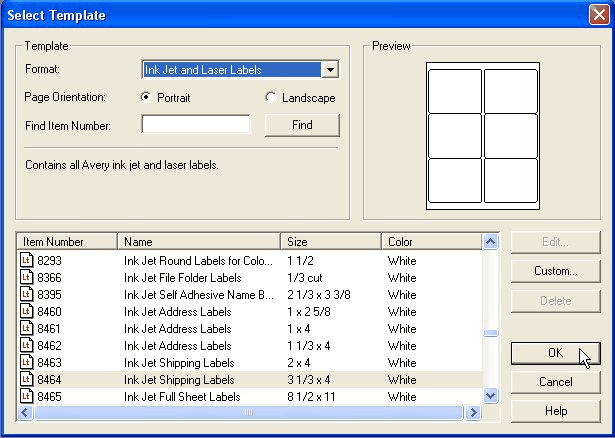
At the Select Template screen, choose the label you would like to use and click ‘OK’.
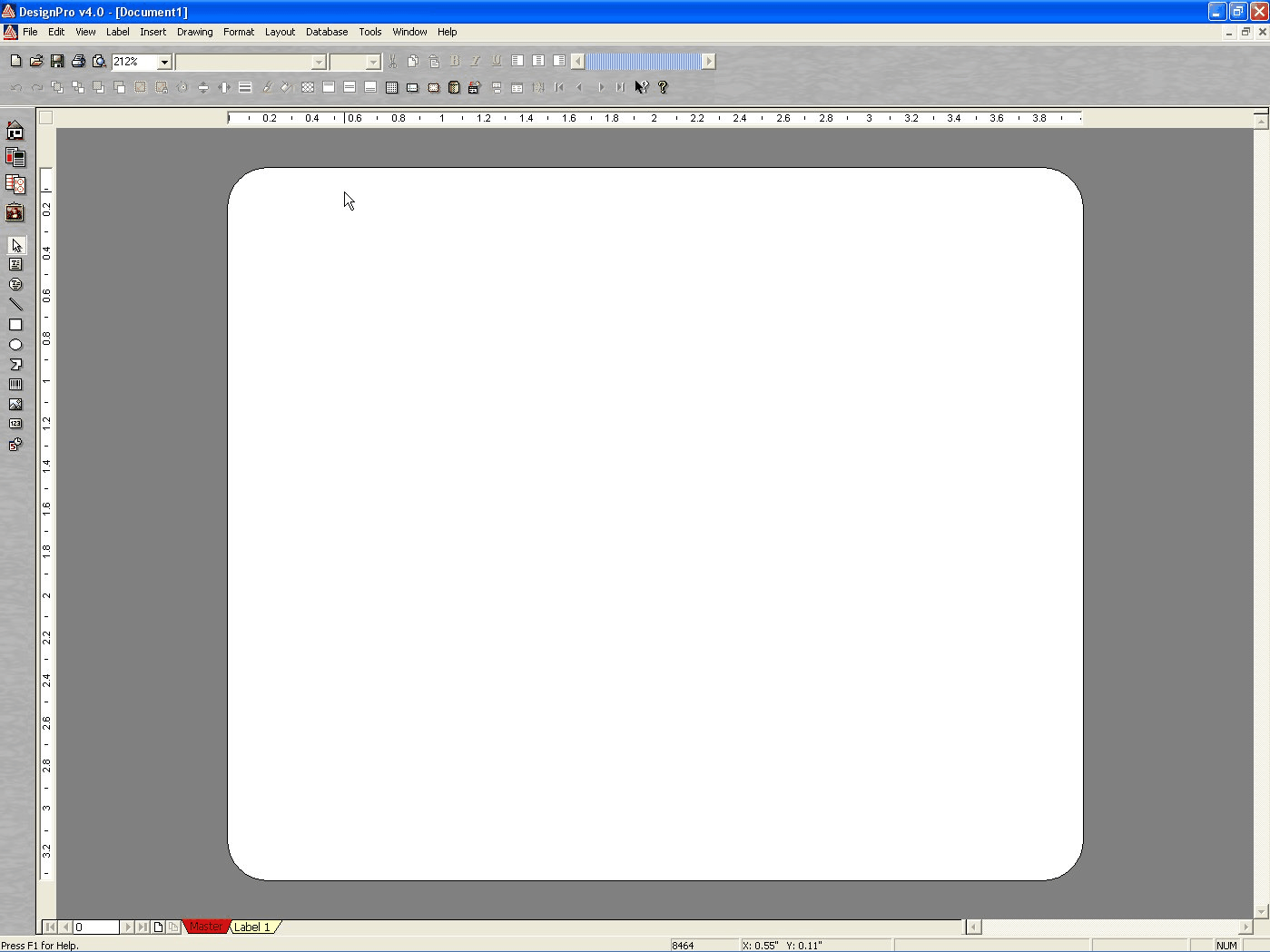
This screen shows actual label that you chose in the previous step.
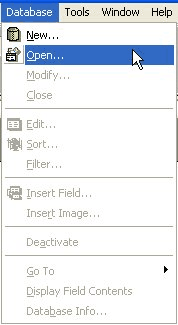
From the Database pull down menu, choose Open…
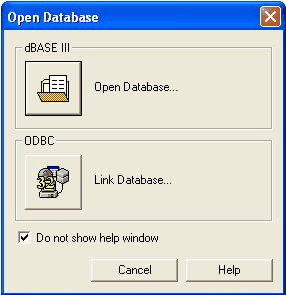
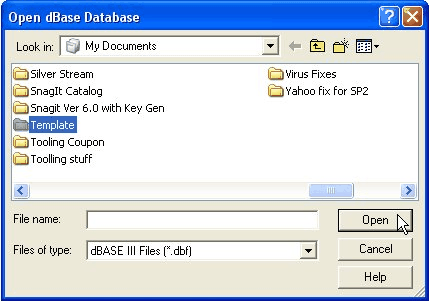
Click on the 'Open Database' icon. At this screen, go to the folder that you created at the very beginning that has the label.dbf
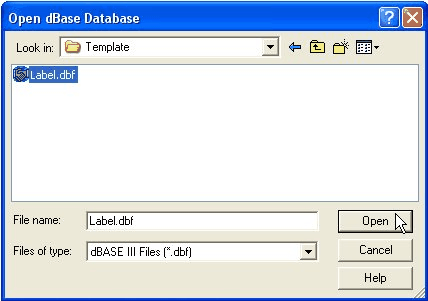
After opening the Template folder (or whatever you called it), select the label.dbf and click ‘Open’.
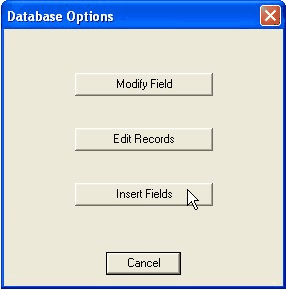
At the next screen, select ‘Insert Fields’.
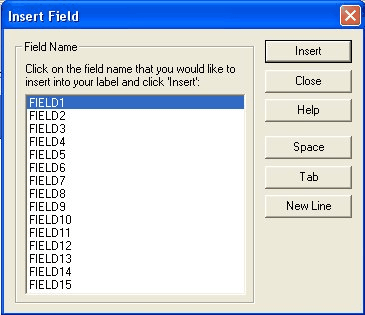
This will open the Insert Fields box.
The next few images will show Field descriptions.
Y151+olga+customs+16+sets+updated !!top!! -The pack comprises 16 full armor sets. These are not just simple recolors. Each set includes: Context and Significance Custom sets occupy a liminal space between mass-produced commodities and singular artworks. They often emerge from fandoms—of toys, figures, miniatures, or trading-card games—where collectors and creators seek variations that official producers do not supply. The tag "Y151" suggests a specific model line or base kit; "Olga" could be the protagonist, muse, or designer whose aesthetics guide the customizations. Sixteen sets indicate a modest run: large enough to denote a series, small enough to be artisanal. The "updated" marker signals an iterative creative practice—revisions, improved techniques, or new variations released in response to feedback or evolving vision. : In commercial fashion, "Y151" often corresponds to women's casual clothing sets , such as two-piece tracksuits consisting of short-sleeve tops and loose pants, or "Inner" sets from Bangkok-style fashion distributors. Typical Product Specifications (Fashion Context) Doll customization has evolved significantly over the years, transforming from simple repainting and re-dressing to intricate modifications involving advanced techniques and materials. Customizers use a variety of methods, including sculpting, painting, and 3D printing, to create one-of-a-kind dolls that showcase their artistic skills. y151+olga+customs+16+sets+updated : Textures populate dynamically without freezing gameplay. The "updated" tag denotes the inclusion of 4K texture maps, realistic carbon fiber weaves, and pre-configured shader profiles. 🎮 Primary Use Cases By focusing on quality and providing a wide variety of thematic options, the remains a top choice for enthusiasts seeking polished, creative character design assets. I can help find: A detailed changelog for each of the 16 sets. User reviews and examples of the sets in action. Compatibility guides for different software platforms. The pack comprises 16 full armor sets The string "y151+olga+customs+16+sets+updated" appears to be a specific search query or file identifier often associated with modding communities, digital assets, or private data archives. If an archive throws an "Unexpected End of Archive" error, the download was interrupted. Delete it, clear your browser cache, and re-download. : Structurally sound layout models built to display corporate structures, authority chains, or foundational dependencies. " Olga urged. : Re-textured fabrics, weathered iron, and realistic leather maps. Understanding the Y151 Architecture For private server use, always check your server’s specific rules. Many progressive servers (like Duskhaven or ChromieCraft) explicitly allow visual-only client mods as long as they do not grant competitive advantage. The Y151+Olga pack is purely cosmetic. : Final contact screens, software signature layers, and clean system closing indicators. 🔄 The Step-by-Step Update & Deployment Protocol The room grew warmer as the Y151 pushed its limits. Lines of neon green code cascaded down her monitors, reflecting in her glasses. The sixteenth set began to flicker. It was resisting. The original creators hadn't wanted these sets to be found; they were a record of truths that time was supposed to swallow. "Hold together," Olga urged.
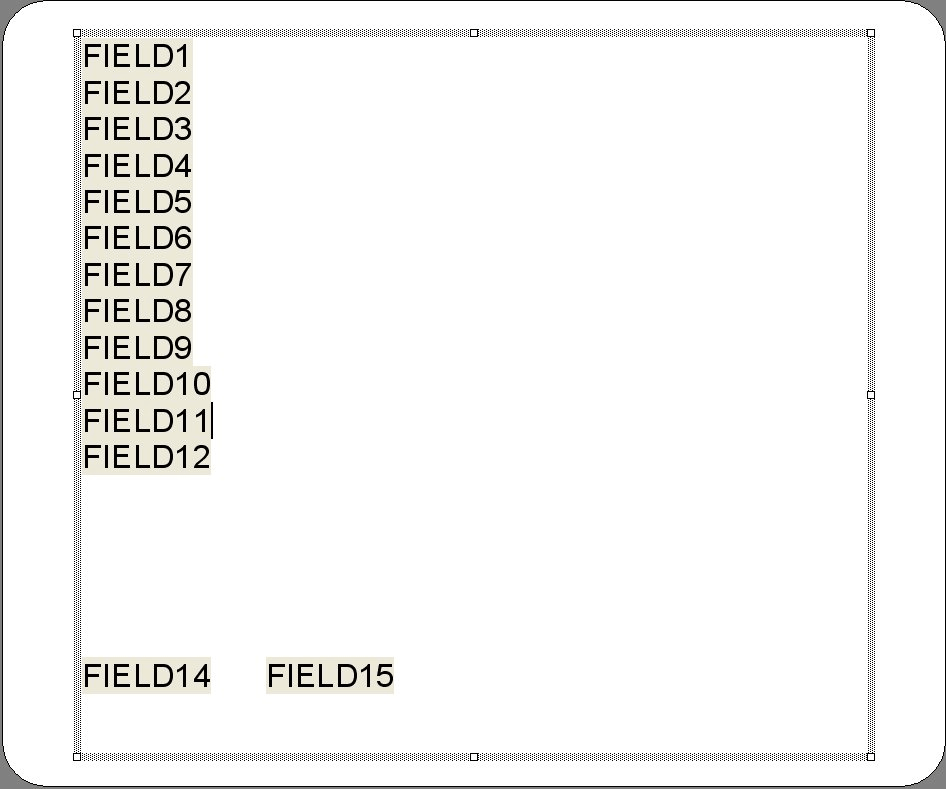
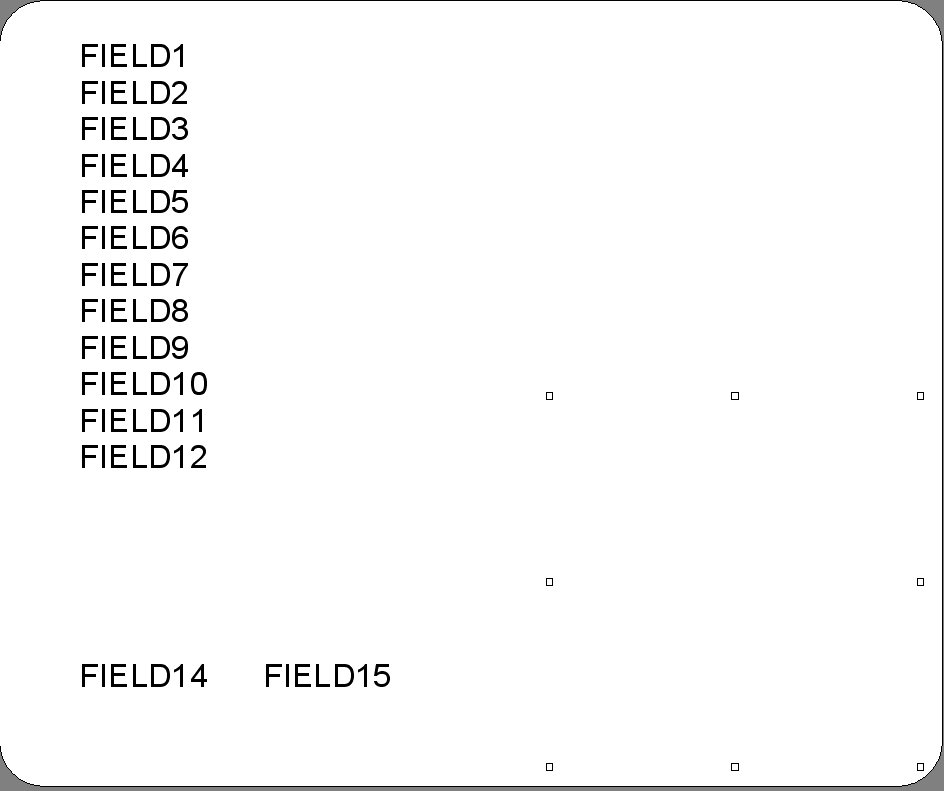
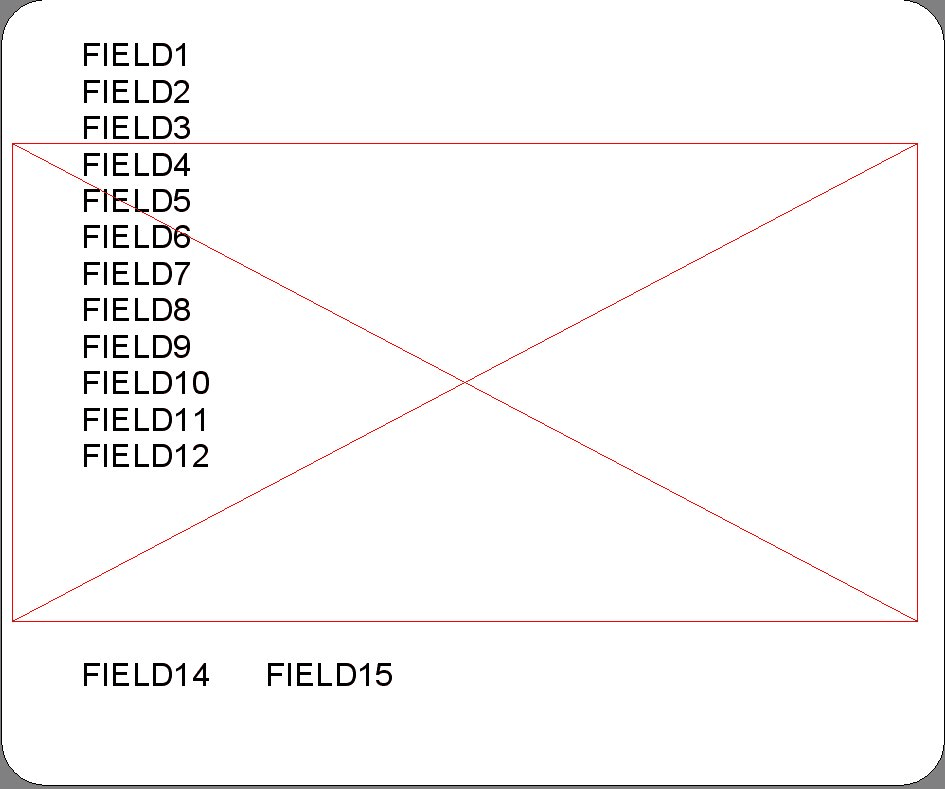
Using the Insert, Space, and New Line buttons, you can make the layout for you’re your new labels. Because of the size of this label, I was able to fit all of the fields on this label. Remember, the size of the label you choose dictates how much information (or how many fields) you can actually place on the label.
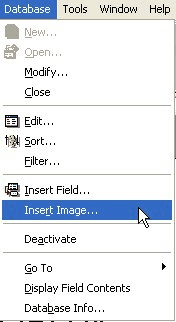
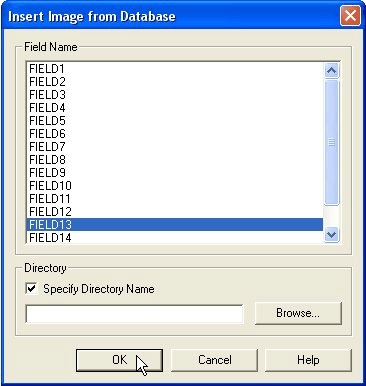
Notice the placement of fields 14 and 15. This will be important because placing it at the bottom of the label; these fields will be at the bottom of the Bar Code. Also notice that Field 13 is not on the label above. This is explained next… Field 13 is the graphic that can show the picture of your part on the label. To place a graphic on the label, from the Database pull down menu, choose ‘Insert Image’
Choose Field 13 and click 'OK'.
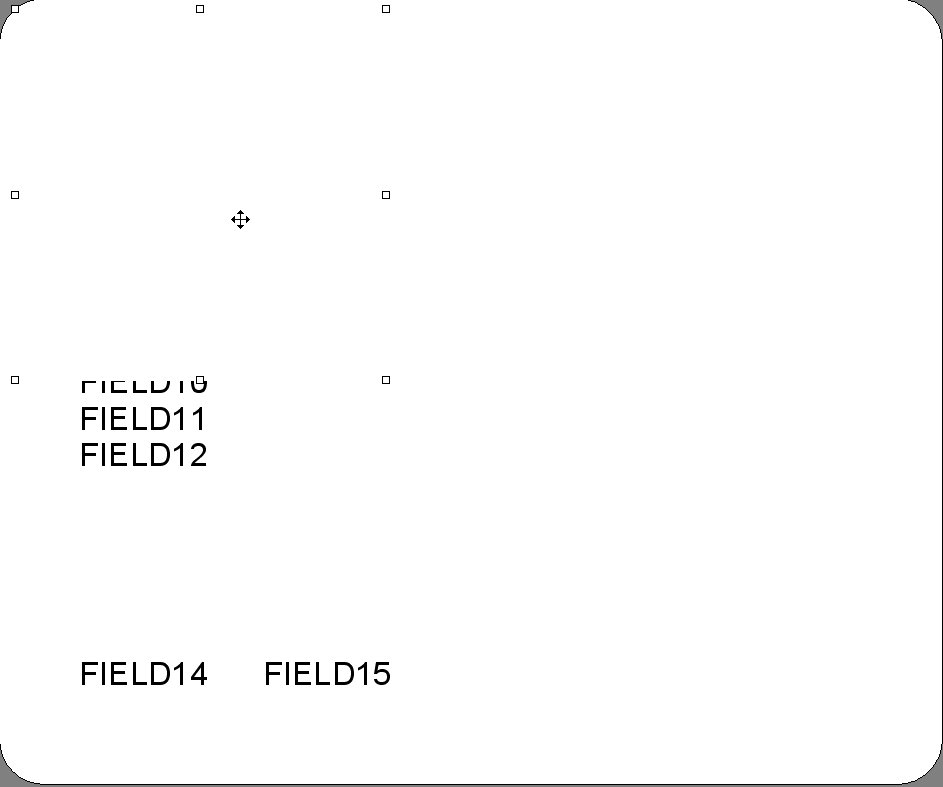
By default, the graphic is placed in the upper left corner of the label.
By grabbing and dragging, place the graphic box in the location you would like your graphic it be placed. For this example, I have placed the graphic in the lower right corner.
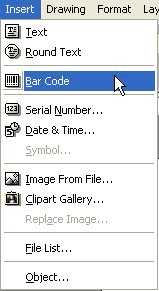
Field 15 is used to place a Bar Code graphic on the label. First, from the Insert pull down menu, choose ‘Bar Code’.
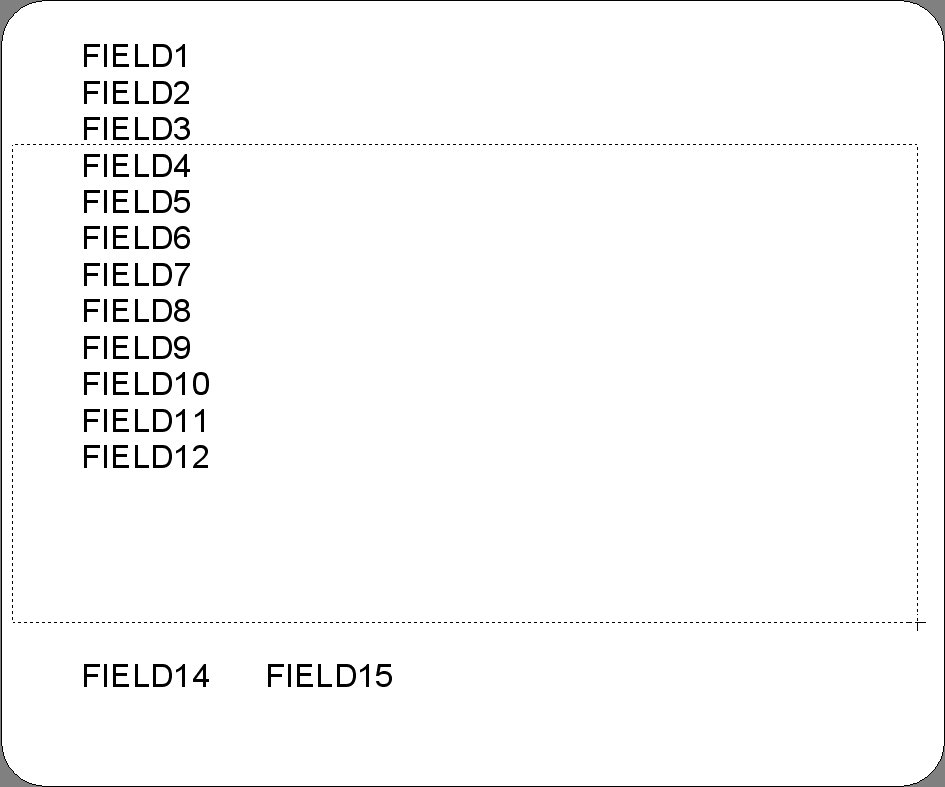
Your cursor will now change, drag from the upper left to the lower right to create a box.
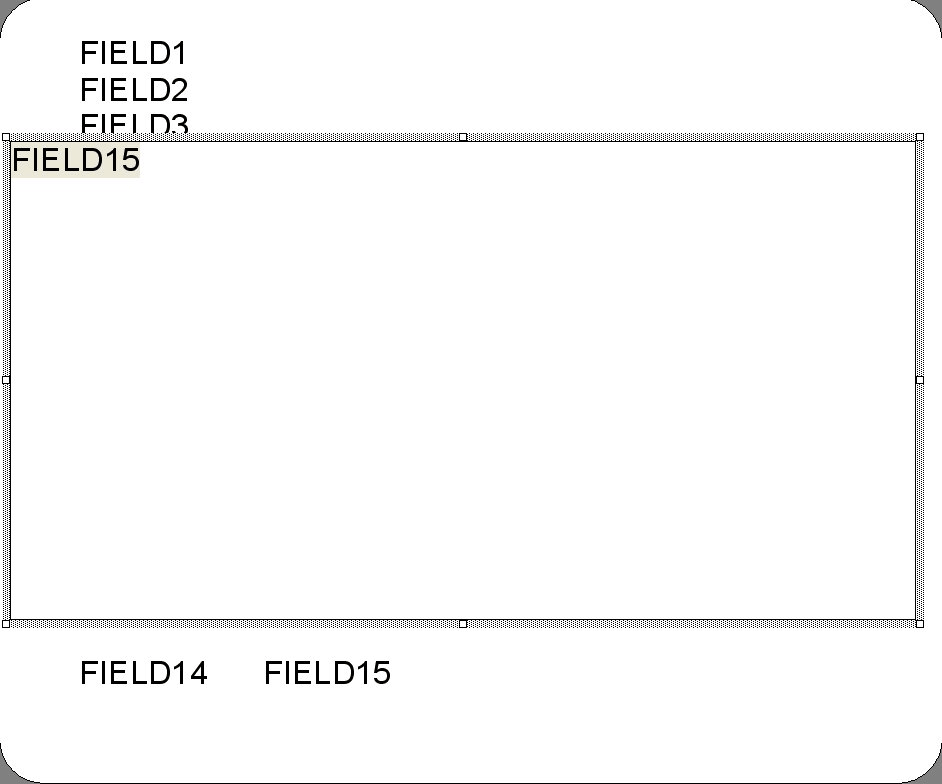
After the box is created, from the Database pull down menu, choose ‘Insert Fields’ and click on Field15 and click ‘Insert'.
When finished, your label should look like this.
NOTE: To prevent the bar code from becoming larger than the label and to have the name of the bar code shown, follow these steps: Highlight the bar code image and right-click on the dotted edge. Select 'Format Bar Code...' for the list.
This will open the Format Bar Code dialog box:
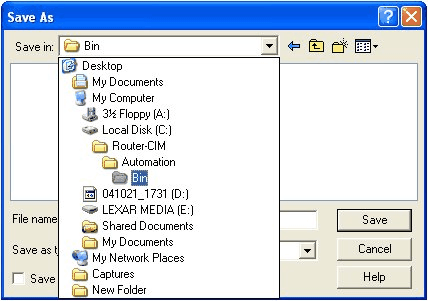
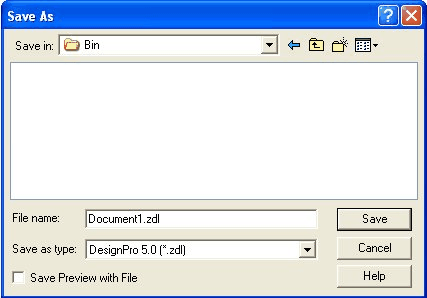
You want to make sure that 'Display Plaintext' and 'Adjust Size' are selected. Now it’s time to save your label. Choose 'Save’ or 'Save As’ from the file pull down menu. The Save in: should be set to C:\Router-CIM\Automation\Bin.
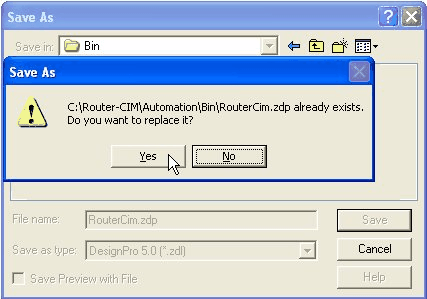
PLEASE NOTE THE FILE NAME: The only choice you have is to save it as a .zdl type at this point. In the File name: type in RouterCIM.zdp and click 'Save'. You should be asked if you would like to overwrite the file. Answer ‘Yes’
Copy the label.dbf file from the Template folder created in the beginning of the tutorial to the C:\Router-Cim\Automation\Bin folder and choose 'Yes' to overwrite the existing file. Then delete the copy of the label.dbf file in the Template folder you created. You are finished….run a job through Automation. When the job if finished and you open the Data Folder, you will see a RouterCIM.zpd file. Double-click on it. You will probably have to set the path for windows to open this type of file. The application to use would be the Labeler.exe found in C:\Program Files\Avery Dennison\DesignPro 5.0 Limited Edition folder. |