Menu
Geodesic Dome

Ebony Shemale Links · Top & Tested

Geodesic Dome Kits that are Easy to Build!

Geodesic Dome Greenhouse Kits for Sale

Ebony Shemale Links · Top & Tested

Geodesic Chicken Coop
Geodesic Dome Kits that are Easy to Build!

Geodesic Dome Greenhouse Kits for Sale

Ebony Shemale Links · Top & Tested

Geodesic Dome Greenhouse Kits for Sale

Ebony Shemale Links · Top & Tested


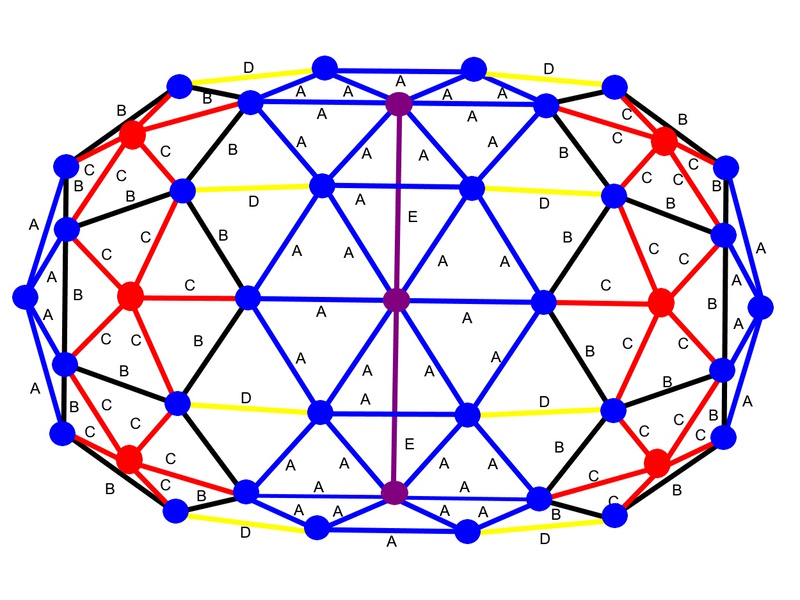
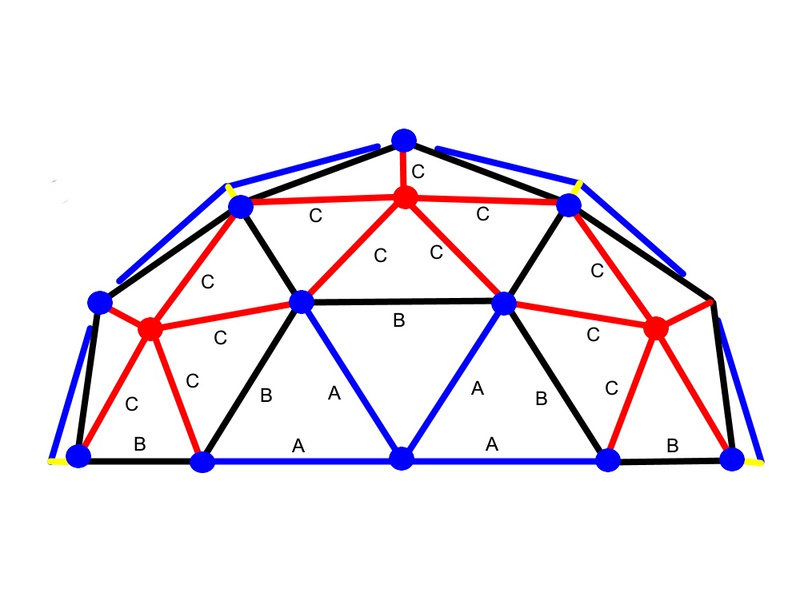
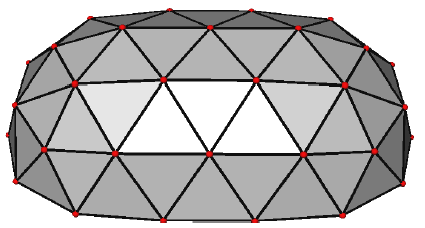
2v Tunnel Domes with 1 Extension Examples

  • 2v Tunnel Dome 1 Ext. Front View
    2v Tunnel Dome 1 Ext. Front View
  • 2v Tunnel Dome 1 Ext. Top Down View
    2v Tunnel Dome 1 Ext. Top Down View
  • 2v Tunnel Dome 1 Ext. Side View
    2v Tunnel Dome 1 Ext. Side View
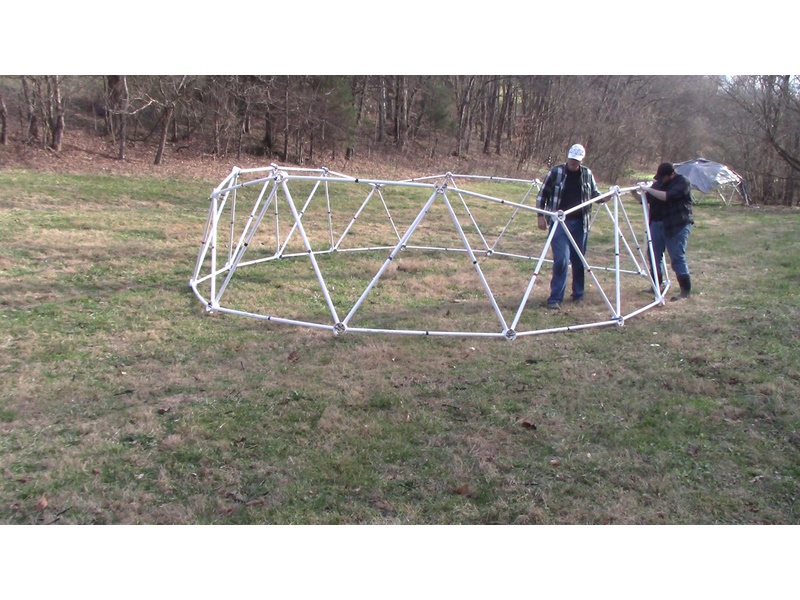
  • Building the 2v Tunnel Dome with 1 Extension
    Building the 2v Tunnel Dome with 1 Extension
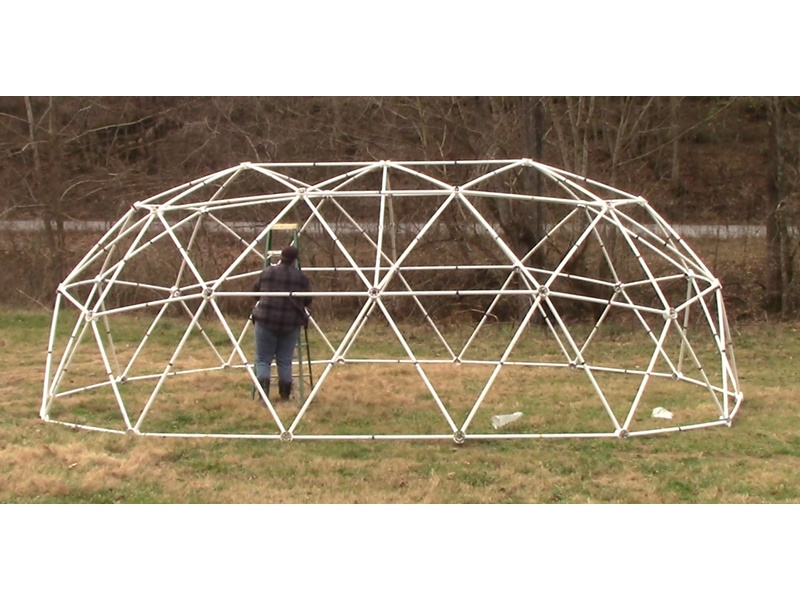
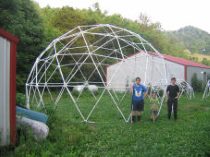
  • Completed 2v Tunnel Dome with 1 Extension
    Completed 2v Tunnel Dome with 1 Extension

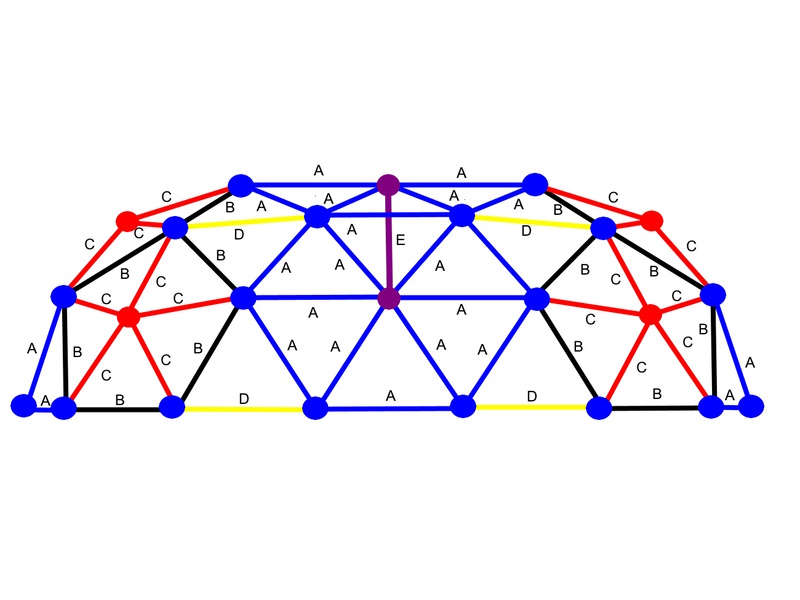
41 hubs, 106 struts.
The 2v Tunnel Dome with 1 Extension produces a larger space for a greenhouse or shed.
Listed 2v Tunnel Dome 1 Extension Sizes: 11' wide, 17' long to 20' wide, 30' long.
You can build larger or smaller 2v Tunnel Domes by adjusting the strut lengths, contact us for details.

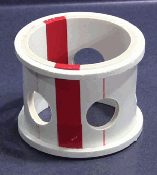
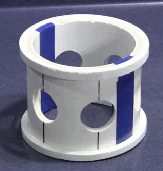
2v Tunnel Dome Dual Covering Hubs

Requires a Chop Saw to Manufacture.

ebony shemale links
5-way Red Hubs
ebony shemale links
6-way Blue Hubs

The Dual Covering Hubs are used for building geodesic greenhouses in cold weather environments.

  The Dual Covering Hubs allows a Greenhouse to be covered with 2 layers of plastic, one on the inside and one on the outside of the dome. This creates a "dead air space" between the two layers for plastic for better insulation.

 The Dual Covering Hubs require a chop saw to manufacture.

Tools Needed to Manufacture the Dual Covering Hubs: A Power Hand Drill or Drill Press, and a Chop Saw for cutting the hubs and rings.


Each 2v Tunnel Dome with 1 Extension Download Contains:

The heartbeat of the wasn’t found in a textbook, but in a drafty community center in the city’s North End. It was a space held together by donated sofas, stacks of zines, and the tireless energy of Maya, a trans woman who had seen the neighborhood change three times over.

For decades, the transgender community and the gay/lesbian community were unified by a common enemy: a society that demanded rigid adherence to gender norms. In those early days, "transvestite," "drag queen," and "gay" were often used interchangeably by the public to describe anyone who didn't fit the heterosexual mold. This shared "otherness" created a sanctuary where trans people and cisgender queer people built a culture of mutual survival. The Divergence of Identity ebony shemale links

Today, there is a widespread recognition that true liberation is impossible without a united front. The acronym has expanded (LGBTQIA+) to explicitly recognize the vast spectrum of identities, cementing the trans community's rightful place at the table. Modern Cultural Visibility and Advocacy

While the historical and cultural bonds between the trans community and the wider LGBTQ+ acronym are deep, the relationship has also experienced significant internal political friction.

: Engaging with the trans community involves an ongoing commitment to self-reflection and acknowledging that one cannot fully know another's lived experience.

: Countries like Iceland and Malta are ranked highly for LGBTQ+ friendliness, while other regions maintain restrictive laws.

As visibility has increased, so too has political backlash. The transgender community currently faces a wave of legislative challenges regarding access to gender-affirming healthcare, participation in sports, and the right to use public facilities that align with their identity. In response, broader LGBTQ+ civil rights organizations have shifted their primary legislative and legal resources toward defending trans rights, recognizing that the attack on bodily autonomy threatens the entire queer community. Summary of Core Contributions Area of Impact Key Contributions to LGBTQ+ Culture

: The community continuously develops new terms and labels—such as "queer," "nonbinary," or "gender-fluid"—to better reflect internal identities. 2. Unique Challenges Facing the Transgender Community The heartbeat of the wasn’t found in a

Pioneers like Laverne Cox, Michaela Jaé Rodriguez, and Elliot Page have broken barriers in Hollywood, moving trans narratives away from tragic tropes toward authentic, nuanced storytelling.

Despite the "T" often being placed at the end of the acronym, transgender people have been the primary architects of many elements we now consider "standard" LGBTQ+ culture.

Culture emphasizes that how one identifies internally may or may not align with outward presentation.

The relationship between the transgender community and LGBTQ+ culture is symbiotic. The trans community helped build the infrastructure, language, and spirit of resistance that defines modern queer life. In return, the collective power of the LGBTQ+ coalition provides a vital platform for trans advocacy, safety, and celebration. As culture continues to evolve, the voices of trans individuals remain essential to pushing the boundaries of what it means to live authentically.

This creates a "roommate problem." The gay assimilationist wants to invite a cop to Pride for good PR. The trans liberationist knows that same cop might arrest her for "loitering." The question of "who is the face of LGBTQ culture" remains unresolved.

To understand LGBTQ+ culture today, one must look at the physical spaces where the modern movement began. In the mid-20th century, anti-queer laws and police harassment forced the entire community into the margins. It was within these margins that transgender women, gender-nonconforming people, and drag queens established critical safe havens. The Compton’s Cafeteria Riot (1966) In those early days, "transvestite," "drag queen," and

Perhaps the most painful friction comes from Trans-Exclusionary Radical Feminists (TERFs) , a group primarily composed of lesbians and cisgender women. Groups like the LGB Alliance (UK) argue that trans women are men encroaching on female-only spaces. For trans women, being rejected by the very women who fought for liberation from patriarchy is a unique, visceral betrayal. It pits reproductive rights against gender identity, forcing a choice that neither group should have to make.



Download a Complete Set of Instructions and Manufacturing License for Building a 2v Tunnel Dome with 1 Extension Using our Patented Hub Design


ebony shemale links
Geodesic Tunnel Dome with 1 Extension Plans
(with Dual Covering Hubs) Price: $41.00

41 hubs, 106 struts.
Download Geodesic Tunnel Dome Plans with 1 Extension (with Dual Covering Hubs)
Price: $41.00
ebony shemale links

Secure Credit Card Processing by ebony shemale links ebony shemale links

We cannot accept returns on digital downloads.

All digital download sales are final.

If you have any questions, you can call us at 1 (931) 858-6892.


Ebony Shemale Links · Top & Tested

The heartbeat of the wasn’t found in a textbook, but in a drafty community center in the city’s North End. It was a space held together by donated sofas, stacks of zines, and the tireless energy of Maya, a trans woman who had seen the neighborhood change three times over.

For decades, the transgender community and the gay/lesbian community were unified by a common enemy: a society that demanded rigid adherence to gender norms. In those early days, "transvestite," "drag queen," and "gay" were often used interchangeably by the public to describe anyone who didn't fit the heterosexual mold. This shared "otherness" created a sanctuary where trans people and cisgender queer people built a culture of mutual survival. The Divergence of Identity

Today, there is a widespread recognition that true liberation is impossible without a united front. The acronym has expanded (LGBTQIA+) to explicitly recognize the vast spectrum of identities, cementing the trans community's rightful place at the table. Modern Cultural Visibility and Advocacy

While the historical and cultural bonds between the trans community and the wider LGBTQ+ acronym are deep, the relationship has also experienced significant internal political friction.

: Engaging with the trans community involves an ongoing commitment to self-reflection and acknowledging that one cannot fully know another's lived experience.

: Countries like Iceland and Malta are ranked highly for LGBTQ+ friendliness, while other regions maintain restrictive laws.

As visibility has increased, so too has political backlash. The transgender community currently faces a wave of legislative challenges regarding access to gender-affirming healthcare, participation in sports, and the right to use public facilities that align with their identity. In response, broader LGBTQ+ civil rights organizations have shifted their primary legislative and legal resources toward defending trans rights, recognizing that the attack on bodily autonomy threatens the entire queer community. Summary of Core Contributions Area of Impact Key Contributions to LGBTQ+ Culture

: The community continuously develops new terms and labels—such as "queer," "nonbinary," or "gender-fluid"—to better reflect internal identities. 2. Unique Challenges Facing the Transgender Community

Pioneers like Laverne Cox, Michaela Jaé Rodriguez, and Elliot Page have broken barriers in Hollywood, moving trans narratives away from tragic tropes toward authentic, nuanced storytelling.

Despite the "T" often being placed at the end of the acronym, transgender people have been the primary architects of many elements we now consider "standard" LGBTQ+ culture.

Culture emphasizes that how one identifies internally may or may not align with outward presentation.

The relationship between the transgender community and LGBTQ+ culture is symbiotic. The trans community helped build the infrastructure, language, and spirit of resistance that defines modern queer life. In return, the collective power of the LGBTQ+ coalition provides a vital platform for trans advocacy, safety, and celebration. As culture continues to evolve, the voices of trans individuals remain essential to pushing the boundaries of what it means to live authentically.

This creates a "roommate problem." The gay assimilationist wants to invite a cop to Pride for good PR. The trans liberationist knows that same cop might arrest her for "loitering." The question of "who is the face of LGBTQ culture" remains unresolved.

To understand LGBTQ+ culture today, one must look at the physical spaces where the modern movement began. In the mid-20th century, anti-queer laws and police harassment forced the entire community into the margins. It was within these margins that transgender women, gender-nonconforming people, and drag queens established critical safe havens. The Compton’s Cafeteria Riot (1966)

Perhaps the most painful friction comes from Trans-Exclusionary Radical Feminists (TERFs) , a group primarily composed of lesbians and cisgender women. Groups like the LGB Alliance (UK) argue that trans women are men encroaching on female-only spaces. For trans women, being rejected by the very women who fought for liberation from patriarchy is a unique, visceral betrayal. It pits reproductive rights against gender identity, forcing a choice that neither group should have to make.
For telephone orders or questions, call us at .

Or, go to our Contact Us page to send us an email.