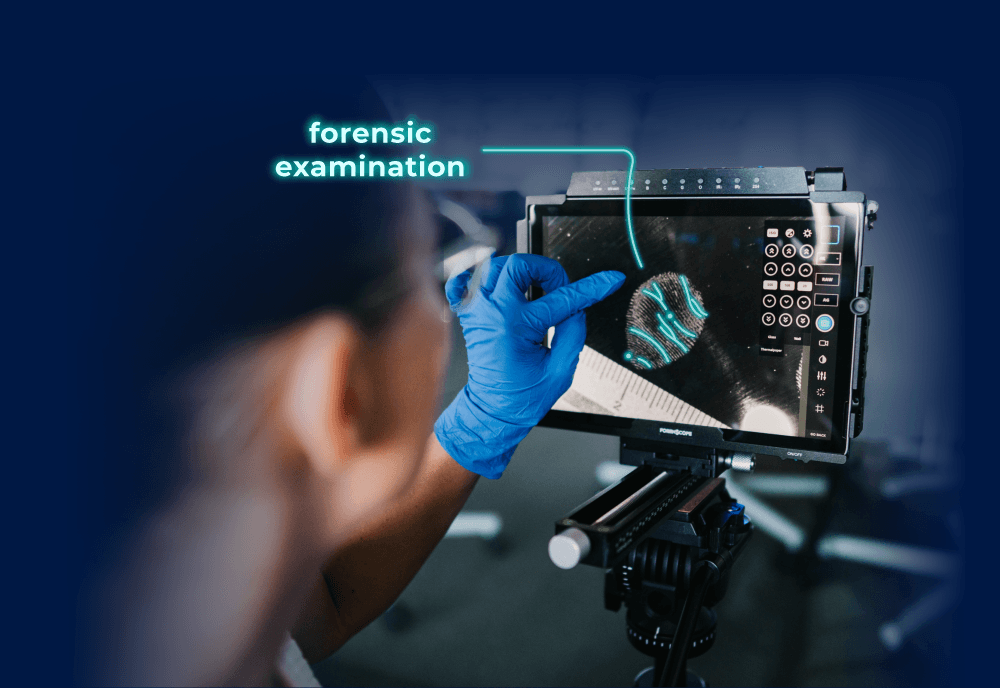
Image Capture
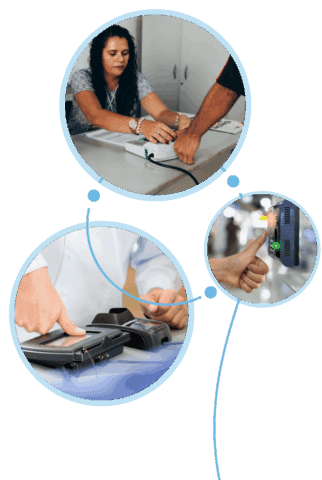
The first step is to capture an image of the fingerprint. This is typically done using specialized fingerprint scanners, which may utilize different technologies such as optical, capacitive, or ultrasound.
Innovatrics fingerprint recognition is trusted worldwide by governments and businesses for its speed and accuracy, and consistently a top performer in independent biometric benchmarks such as NIST.
Talk to our team
Select (if non-rooted) or choose a direct patch option (if rooted).
Modifying app code can break its functionality. If you patch an app incorrectly, it may crash on launch, lose your save data, or fail to connect to online servers. Always back up your app data using Lucky Patcher’s built-in backup tool before applying a patch.
Lucky Patcher is a renowned patching tool that enables users to modify and customize various aspects of Android apps. Developed by a team of skilled developers, Lucky Patcher has become a go-to solution for users seeking to bypass ads, unlock premium features, and remove in-app purchases. The tool works by patching the app's APK file, allowing users to make changes to the app's behavior and functionality.
: Many developers allow users to join beta programs via the Play Store to access new features early. lucky patcher 950 apk for android
It bypasses premium checks for paid applications.
Lucky Patcher 9.5.0 APK for Android: The Ultimate Guide :root --primary: #2c3e50; --secondary: #3498db; --danger: #e74c3c; --warning: #f39c12; --success: #27ae60; --light-bg: #f8f9fa; * margin: 0; padding: 0; box-sizing: border-box; body font-family: system-ui, -apple-system, 'Segoe UI', Roboto, 'Helvetica Neue', sans-serif; line-height: 1.6; color: #333; background: #fff; padding: 20px; .container max-width: 1200px; margin: 0 auto; background: white; border-radius: 16px; box-shadow: 0 10px 30px rgba(0,0,0,0.05); overflow: hidden; .header background: linear-gradient(135deg, var(--primary) 0%, #1a252f 100%); color: white; padding: 3rem 2rem; text-align: center; .header h1 font-size: 2.2rem; margin-bottom: 1rem; .header .badge background: var(--warning); display: inline-block; padding: 0.3rem 1rem; border-radius: 20px; font-size: 0.9rem; font-weight: bold; margin-top: 1rem; .content padding: 2rem; .section margin-bottom: 2.5rem; scroll-margin-top: 20px; .section h2 font-size: 1.8rem; padding-bottom: 0.5rem; border-bottom: 3px solid var(--secondary); margin-bottom: 1.5rem; color: var(--primary); .section h3 font-size: 1.4rem; margin: 1.5rem 0 1rem 0; color: #2c3e50; .feature-grid display: grid; grid-template-columns: repeat(auto-fit, minmax(280px, 1fr)); gap: 1.5rem; margin: 1.5rem 0; .feature-card background: var(--light-bg); padding: 1.5rem; border-radius: 12px; box-shadow: 0 2px 5px rgba(0,0,0,0.05); transition: transform 0.2s; .feature-card:hover transform: translateY(-3px); .feature-card h4 margin-bottom: 0.8rem; color: var(--secondary); .steps background: #f0f7ff; padding: 1.5rem 2rem; border-radius: 12px; margin: 1rem 0; .steps ol, .steps ul margin-left: 1.5rem; .warning-box background: #fff3e0; border-left: 5px solid var(--warning); padding: 1rem 1.5rem; margin: 1.5rem 0; border-radius: 8px; .danger-box background: #fee; border-left: 5px solid var(--danger); padding: 1rem 1.5rem; margin: 1.5rem 0; border-radius: 8px; .info-box background: #e8f4f8; border-left: 5px solid var(--secondary); padding: 1rem 1.5rem; margin: 1.5rem 0; border-radius: 8px; table width: 100%; border-collapse: collapse; margin: 1.5rem 0; th, td border: 1px solid #ddd; padding: 10px; text-align: left; vertical-align: top; th background: var(--primary); color: white; tr:nth-child(even) background: var(--light-bg); .alert font-weight: bold; color: var(--danger); .footer background: var(--primary); color: #ecf0f1; text-align: center; padding: 1.5rem; font-size: 0.9rem; border-top: 1px solid #ecf0f1; @media (max-width: 768px) .header h1 font-size: 1.6rem; .content padding: 1.5rem; .section h2 font-size: 1.5rem;
It works by analyzing the hexadecimal values in an app's .dex files (compiled Java code) to trick the app into thinking a purchase was successful or a license was valid. Select (if non-rooted) or choose a direct patch
Lucky Patcher 9.5.0 is an Android utility tool used to modify apps, remove ads, and bypass license verifications. Because it modifies core application behavior, it requires careful handling of Android security settings. Important Prerequisites Android Version: Works on Android 4.0 and higher. Root Access (Optional but Recommended):
So, why should you consider using Lucky Patcher 9.5.0 APK on your Android device? Here are just a few benefits:
Lucky Patcher operates by cloning the target app, modifying its code, re-signing it with a generic test certificate, and asking you to reinstall it. This method does not work on all apps, and you cannot modify system-level utilities. Always back up your app data using Lucky
Lucky Patcher 9.5.0 APK for Android offers a range of exciting features and benefits, from ad blocking and in-app purchase unlocking to app modification and patching. While there are risks associated with using the tool, a cautious and informed approach can help minimize potential issues. By following the tips and precautions outlined in this article, you can enjoy a more enhanced and customized app experience on your Android device.
Select your mobile browser or file manager and toggle on . Step 3: Install the Installer Download the official Lucky Patcher Installer APK. Open your File Manager and locate the downloaded file. Tap the file and select Install .
<!-- ==================== CONCLUSION ==================== --> <div class="section"> <h2>Conclusion: Should You Use Lucky Patcher?</h2> <p>Lucky Patcher (whether version 9.5.0 or the latest 12.10.3) is an incredibly powerful tool that gives Android users unprecedented control over their devices. It can transform the mobile experience by eliminating ads, unlocking paid features, and customizing apps to your liking. However, this power comes with significant risks: potential security vulnerabilities, legal issues related to piracy, and the possibility of bricking your device if you misuse the root features.</p> <p><strong>If you decide to use Lucky Patcher, always download it from the official source, keep your antivirus active, and respect developers' rights.</strong> Use the tool as a way to test apps before buying them, or to remove ads from free utilities you genuinely use, rather than as a wholesale piracy instrument. For the best experience, upgrade to the latest version (12.x) and, if possible, run it on a rooted test device to avoid jeopardizing your primary phone. The Android modding community is vast—explore responsibly, and stay safe.</p> </div>
The "Custom Patch" feature is perhaps the most powerful aspect of the 9.5.0 iteration. Users can apply pre-written code scripts to specific apps to unlock hidden features or remove restrictions. For a community of gamers frustrated by "pay-to-win" mechanics or intrusive advertisements, Lucky Patcher acts as a digital equalizer, shifting the power dynamic from the developer to the consumer.
Fingerprint identification is the most widely adopted biometric worldwide, with legal frameworks and standards already in place.
Massive fingerprint archives already exist in law enforcement, border agencies, and civil registries, making integration faster and more effective.
Simple and inexpensive devices can capture fingerprints instantly, in almost any environment, making it easy to deploy at scale.
Proven over decades of forensic and civil use to deliver consistent, reliable matches, even from partial or low-quality fingerprints.
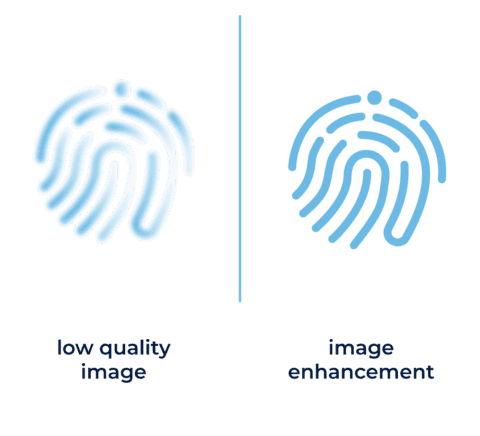
The first step is to capture an image of the fingerprint. This is typically done using specialized fingerprint scanners, which may utilize different technologies such as optical, capacitive, or ultrasound.
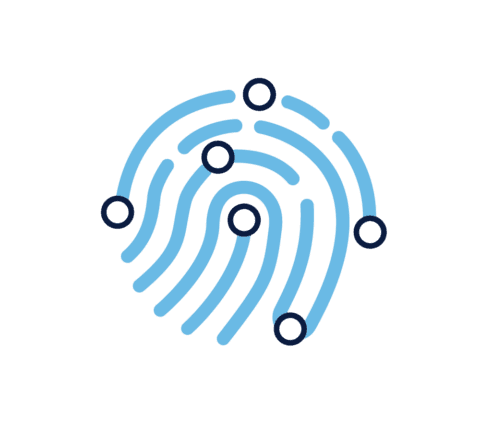
Once the fingerprint image is captured, the system extracts specific features from it. These include ridge endings, minutiae, bifurcations, and other unique characteristics of the fingerprint.
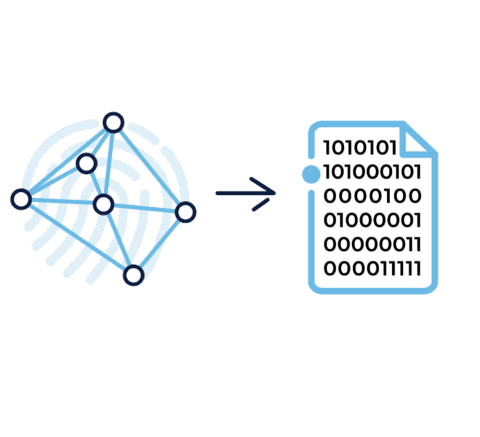
The extracted features are then used to create a digital template of the fingerprint, capturing its unique attributes and making it easier to compare with other records.
1:1 fingerprint verification is the process of confirming whether a captured fingerprint matches a single enrolled record. Instead of searching across an entire database, the system only checks if the person is who they claim to be. It requires extremely high accuracy, since even small errors can lead to false rejections or unauthorized access.
This type of verification is used every day for secure and convenient authentication. Employees can clock in at work using fingerprint readers, while civil registries rely on it to ensure a person’s claimed identity matches the records on file. It’s fast, simple, and reliable, and one of the most widely adopted biometric methods worldwide.
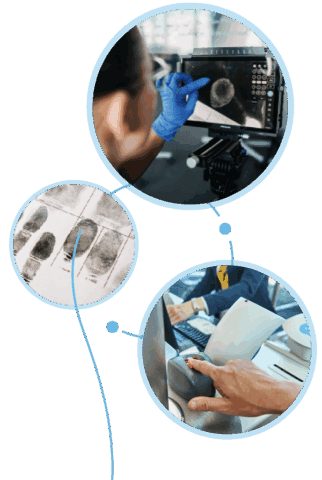
1:N fingerprint identification is the process of taking a single fingerprint sample and comparing it against a large database of stored prints to discover someone’s identity. Because the search may involve thousands or millions of records, systems need to be fast enough to deliver results instantly, and precise enough to avoid false matches.
In real-world use cases, 1:N identification is vital for law enforcement, border security, and civil ID systems. Investigators can take latent prints from a crime scene and search it against national databases to identify a suspect. Border agencies can instantly check a traveler’s fingerprints against watchlists. Civil registries use it to prevent duplicate enrollments and ensure every citizen is registered only once.
Since 2004, Innovatrics have consistently ranked among the best in the world in independent biometric benchmark evaluations and certifications.
A key benchmark for evaluating fingerprint template generation and matching. High MINEX scores demonstrate interoperability and accuracy, critical for large-scale ID systems and border control programs.
Evaluates the accuracy and speed of proprietary fingerprint matching algorithms. Strong PFT II results demonstrate top performance in native systems, essential for forensic and high-security applications.
Essential for law enforcement working with latent fingerprints, where prints are often partial or low quality. Strong ELFT performance ensures faster, more accurate suspect identification.
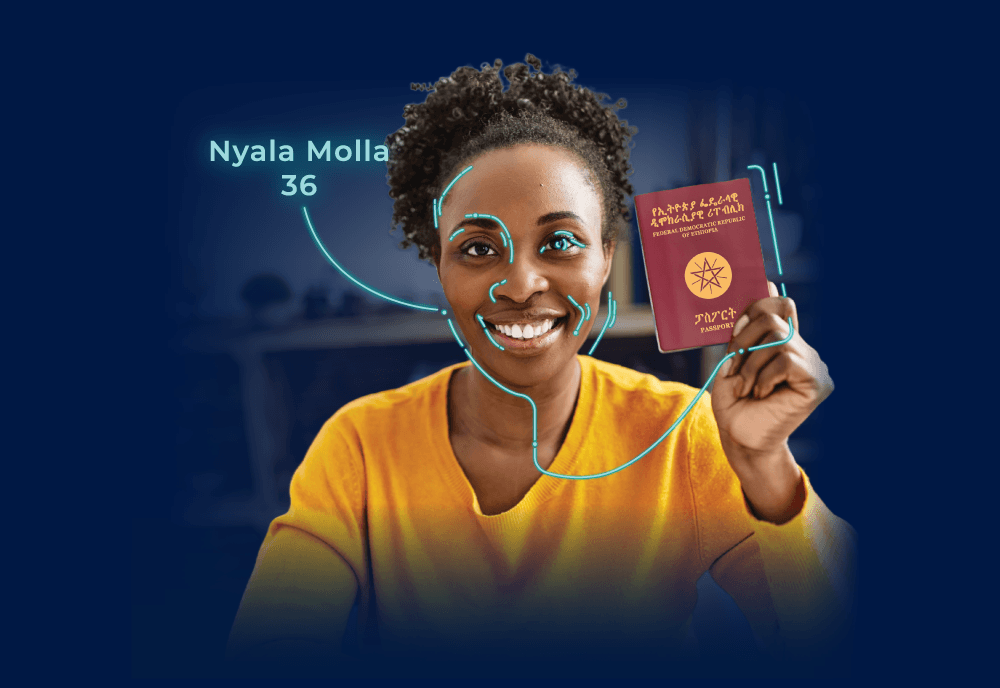
In national ID programs, fingerprint recognition makes sure every citizen has one unique and verifiable identity, building trust in government services and enabling secure digital access.
Find out how
Our passion for technology brings biometric benefits to millions of people.